

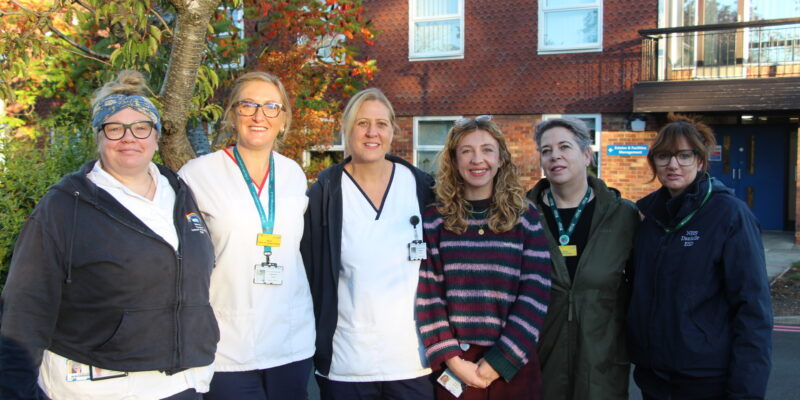
Stroke survivors across North Yorkshire are benefiting from an online rehabilitation programme that is helping them improve their quality of life from the comfort of their own homes while saving thousands of pounds in travel costs.
The Neuro Rehab Online (NROL) programme delivered by the early supported discharge (ESD) stroke team at the Friarage Hospital provides a six-week programme of virtual therapy, education and peer support sessions for people recovering from stroke.
Since its launch in November 2025, more than 213 patients have benefited from the virtual stroke rehabilitation programme, with 96% achieving their personalised rehabilitation goals, 96% reporting an improved quality of life and 94% reporting an improvement in fatigue.
The team includes specialist allied health professionals who lead the programme, enabling stroke survivors to continue rehabilitation at home while accessing expert care and support.
North Yorkshire has some of the most challenging and remote routes in England, making it difficult for stroke patients to attend hospital regularly for therapy appointments. However, virtual sessions have provided an easy way for stroke patients to avoid travelling to hospitals.
Online sessions are offered in addition to face-to-face therapy to increase the intensity of therapy sessions offered and improve outcomes.
The programme covers a range of topics including fatigue management, physical activity, communication, emotional wellbeing and self-management, helping patients develop the knowledge and skills needed to support their recovery.
As well as providing specialist rehabilitation, NROL offers patients the opportunity to connect with others who have had similar experiences, reducing feelings of isolation and helping to build confidence during recovery.
One of the patients who benefited from the programme was Tim Grimshaw, 66, who praised it for helping him avoid frequent hospital visits while still receiving care at home.
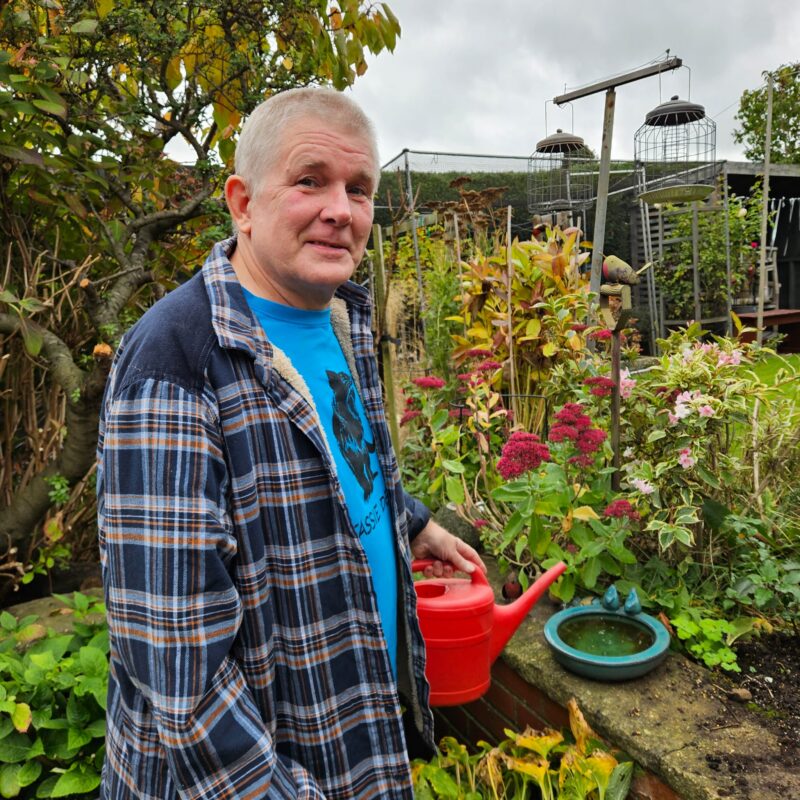
The Thornton Watlass resident experienced a stroke in March 2026. Following his discharge, he was referred to the ESD team and enrolled in the six-week virtual stroke rehabilitation programme.
He said:
I enjoyed the fact that you could do the exercises in your own home and could do less or more depending on how you were feeling. The sessions were very informative without being too arduous. I felt that I built up better movement and strength over the course.
“I think the NROL course is worth it to help you gain better mobility and see improvements each week. I found the course relatively easy to log on to both on a desktop and my mobile phone.
“I would recommend the course to any stroke survivors because it is a brilliant way to increase your mobility from the comfort of your own home.”
Stephanie Verity, speech and language therapist and therapy lead, said: “The Hambleton and Richmondshire stroke ESD is a small team covering a large geographical area, so we are always looking at innovative ways of working so our patients get the most from the service.
“With our virtual groups and then the NROL programme, we have been able to provide a higher intensity of therapy and longer length of support beyond our six-week service.
“We also understand that not everyone may be comfortable with virtual therapy sessions, so we have alternative provisions available. We are also working with FURBD, a charity providing donated technology and connectivity to those who may not have digital access.
“Our aim is to ensure people can access high-quality stroke rehabilitation regardless of where they live and NROL is helping our patients achieve their recovery goals.”