
The information contained within this report is also available in alternative formats. To arrange, please email: [email protected]
1. Introduction
We are pleased to present the first University Hospitals Tees (UHT) Equality, Diversity and Inclusion Annual Report for (2024/25) covering North Tees and Hartlepool NHS Foundation Trust and South Tees Hospitals NHS Foundation Trust.
Our commitment to equity, diversity and inclusion remains central to who we are
and how we serve. Over the past year, we have made significant progress embedding inclusive practices throughout our Trusts – not only to fulfil our Public Sector Equality Duty, but to create a workplace where every colleague feels respected, heard and valued.
This report sets out some of the progress we have made on equality, diversity and inclusion as an organisation this year.
Health and workforce inequalities should have no place in our organisation and we have a critical role to play in supporting long term systemic change.
As an organisation, we are committed to leading by example, ensuring that our policies, culture, and practices reflect the diverse communities we serve. We commit to be an organisation that is empathetic and understanding – ensuring that we listen to understand, before acting. We will not be complacent, and will continue to address inequalities in the workforce and for our patients, to help everyone be at their best.
The report summarises our workforce equality monitoring data for the period
1 April 2024 to 31 March 2025.
I hope that you will read this report and find it informative and engaging and feel a sense of how important this agenda is to University Hospitals Tees.
Rachael Metcalf
Chief people officer
University Hospitals Tees, (UHT) alongside key partner organisations provides health and care services to over a million residents across our locality. We continue to be dedicated to collaboration in all that we deliver as we work to positively impact our population health, and radically reduce health inequalities in our communities.
At UHT, equity, diversity, and inclusion (EDI) are fundamental to who we are and how we operate. We are committed to ensuring that everyone, regardless of background or identity, has fair access to healthcare, equitable outcomes, and a positive experience
Our biggest asset is our workforce. They are the drive behind our dedication to patient care, and the reason why we are committed and strive to create a culture of inclusion where staff feel like they belong and have the opportunities to flourish and develop.
We are dedicated to reducing disparities in equality gaps, which exist for diverse protected groups. It is therefore important to ensure our action plans have a broad emphasis on intersectionality.
As we work within the NHS Equality Delivery System (EDS), we are committed to address inequalities for our people, patients and our community with real purpose and action. We value the diversity of our people and commit to developing and sustaining an inclusive and compassionate workplace. For our patients and community, we want to ensure our services will be accessible and truly inclusive for all.
UHT recognises through both our staff and patient survey, results highlight there can be a difference in experience and outcomes for certain groups of staff and patients.
By building a workforce that is truly representative of the local communities that we serve, we increase the talent pool from which we recruit and build services that are responsive to the needs of the local communities.
Inclusive leadership
The executive board and directors have oversight of the EDI agenda and the directorates of people services and nursing and patient safety strategically manage the work.
There are numerous routes that colleagues can use to raise concerns about equality, diversity and inclusion, this includes the Group Speaking up Services, the annual staff survey, regular pulse surveys, line management channels, staff networks and other colleagues including staff side and people services representatives.
We continually promote an open culture and encourage our staff to collaborate with leaders to improve inclusion, quality and safety across all care Support units and corporate areas.
Whilst EDI has a dedicated domain within our People Plan, it is a golden thread that is woven into all of the domains to ensure that it remains a key priority throughout the organisation and the communities that we serve.
The EDI Steering Group reports to the People Committee and the Experience
of Care Council reports into the Safe and Effective Strategic Group which reports to the Quality Committee.
2. Our values
Our values have been produced with input from over 6,000 of our colleagues. We know that when we work together, we are providing better patient care.
Information:
When we are working together, we need to be able to live our values, and so we have developed a Values into Action framework. We will use this framework to better work with each other and for our patients.
Respect
Enables
- promotion of equity, diversity and inclusion
- compassionate, inclusive patient care
- deliver the best possible care
In practice:
- treat others as we would wish to be treated
- holding myself and others to account to demonstrate professionalism and integrity
- listen and communicate to others
Support
Enables
- patient centred care
- meeting individual needs with dignity and respect
- ensuring all staff and patients feel included and connected
In practice:
- work as a team
- listen with compassion and empathy
- speak and act with kindness
- offer and ask for help
- work through challenges together
Collaborate
Enables
- sharing knowledge & skills
- clear and honest communication, appreciating all contributions
- valuing each member of my team and my patients
- work together towards shared goals, across services and organisations
In practice:
- seek and respect other’s views (even if we don’t agree)
- take ownership and do what we say we are going to do
Every interaction strengthens our culture
Respect: We listen to others without judgement and treat others as they wish to be treated.
Support: We always do the best for people by being kind and compassionate.
Collaborate: We always provide the best patient care by working together as a team
3. We are the NHS: People Plan
The NHS People Plan aims to have more people, working differently, in a compassionate and inclusive culture within the NHS.
To achieve its ambitions, the NHS People Plan sets out specific actions
within six areas:
- Responding to new challenges and opportunities
- Belonging in the NHS
- Growing for the future
- Looking after our people
- New ways of working and delivering care
- Supporting our people now and for the long term
The plan also includes Our People Promise, which outlines behaviours and actions that staff can expect from NHS leaders and colleagues, to improve the experience of working in the NHS for everyone.
4. Staff Networks
As part of University Hospitals Tees commitment to Equality, Diversity, and Inclusion (EDI), the trusts actively promote the establishment of Staff Networks to enhance workplace diversity. Over the past year, our established Staff Diversity Networks have significantly contributed to fostering an inclusive environment within the group. These networks, provide a unique space for mutual support, story-sharing, and the promotion of lived experiences. The networks are also instrumental in identifying actions to make a real difference to our workforce.
Our Staff Networks continue to be instrumental in creating and disseminating resources, organising awareness events, arranging training workshops, support projects to educate and support both staff and patients at University Hospitals Tees. They have played a crucial role in helping us reflect on and improve our practices and policies for greater inclusivity.
The networks have been steadfast in supporting the group’s commitment to eliminating unlawful discrimination, harassment, victimisation, and bullying. This year’s National Staff Network Day was a celebration of our Staff Networks, marked by a two hour-long event attended by senior managers. The event provided an opportunity for reflection and forward-thinking on how our Networks can continue to add value to the group’s inclusion agenda as well as celebrating their contributions.
In the coming year, we will review and standardise our Staff Network Model and will also explore additional ways to support and empower these Networks, ensuring they continue to play a pivotal role in advancing our commitment to equality, diversity, and inclusion.
Our Networks also continue to support the organisation in delivering against the High Impact Actions of the NHS England EDI Improvement Plan. The High Impact Actions (HIAs) from the NHS Equality, Diversity and Inclusion Improvement Plan and the support Networks provide to achieve these are:
- Measurable EDI objectives for Chairs, Chief Executives and Board Members. Each Network is to be aligned to an Executive sponsor and many have Non-Executive Director support.
- Overhaul recruitment processes and embed talent management processes. Networks can provide recruitment and talent management suggestions for specific protected characteristics.
- Eliminate total pay gaps with respect to race, disability and gender. Networks can use lived experience to provide essential feedback on pay gap reporting
- Address Health Inequalities within their workforce. Networks can raise awareness and provide suggestions to address HIAs using their lived experience.
- Comprehensive induction and on boarding programme for international recruited staff. Staff networks are promoted at all induction sessions with sign up details provided.
- Eliminate conditions and environment in which bullying, harassment and physical harassment occurs. Members and allies can raise concerns, highlight themes, seek support, and take collective action.
Our Equality, Diversity and Inclusion Network Leads
- LGBTQ leads: Matthew Harper and Alison Kerr
- Race equality leads: Jinu Paul, Summaya Hussain, Uzmar Anwar, Sushil Munakhya and Lovemore Mahachi
- Interfaith and culture leads: Alexander Binoy and Lisa Opala
- Menopause lead: Julia Frost
- Women’s lead: Natasha McManus
- Childless not by choice lead: Victoria Richardson
- Age younger lead: Robyn Highfield
- Carers lead: Kendra Taylor
- Volunteers lead: Paul Wharton
- Disability leads: Kristopher Bell and Sharon Ollivier
- Men’s lead: Seb Kazemi
- Neurodiversity lead: Helen Keen
5. Public Sector Equality Duty
The Public Sector Equality Duty (PSED), established under Section 149 of the Equality Act 2010, requires public bodies, including NHS organisations, to consider how their policies, services, and decision-making processes impact people who are disadvantaged or face inequality. It encourages active engagement with diverse communities to ensure services are accessible, inclusive, and responsive to the needs of all individuals.
The general duty obliges us to have due regard to three key aims:
- eliminating unlawful discrimination, harassment, and victimisation,
- advancing equality of opportunity between those who share a protected characteristic
and those who do not, and - fostering good relations between these groups.
In addition to the general duty, the PSED sets out specific duties that require public bodies to publish equality information annually and to set and publish equality objectives at least every four years.
In support of the effective delivery of the equality duties of the Equality Act 2010 and the Public Sector Equality Duties (PSED), there are other mandatory requirements for the group as an NHS organisation. These include:
- NHS Standard Contract (SC13 Equity of Access, Equality and Non-Discrimination) compliance of which is regulated and monitored by the Care Quality Commission (CQC)
- Workforce Race Equality Standard (WRES)
- Workforce Disability Equality Standard (WDES)
- Gender Pay Gap (GPG) reporting
- Equality Delivery System (EDS22)
- Accessible Information Standard (AIS)
- Sexual Orientation Monitoring Standard (SOM)
This annual report serves as evidence of our compliance with the PSED for the reporting period 2024–2025. It outlines the actions we have taken to meet our legal obligations and illustrates how equality, diversity, and inclusion are embedded in our work.
6. Equality Delivery System
The Equality Delivery System (EDS) is the foundation of equality improvement within the NHS.
It is an accountable improvement tool which supports NHS organisations (in active conversations with patients, public, staff and trade unions) to review and develop their services, workforces and leadership.
The purpose of the EDS is to generate regional and local conversations about what is working well and what is not working so well, to allow necessary improvements to
be made.
The EDS is specifically designed to encourage the collection of better evidence and insight across the range of people with protected characteristics as described in the Equality Act 2010, and so to help NHS organisations meet their obligations under the Public Sector Equality Duty (PSED).
This third version of the EDS was commissioned by NHS England and NHS Improvement and it consists of three separate domains covering: patient services, workforce and leadership. It is intended to be simplified, updated and easier to use version of EDS2. There is a structured process which organisations must adhere to and this requires collaborative engagement with service users, patients and staff to agree scores for each outcome which then ultimately defines the organisation’s EDS rating.
The group have successfully implemented the newest version of EDS in 2022/23 and will continue to review and report on this on an annual basis
The assessment ratings for all three domains are summarised in the table below. All ratings have been agreed in full consultation and discussion with our stakeholders.
Both trusts’ ratings for 2024/25 are confirmed as Developing and we have identified a number of measures that we are already achieving at the higher level. We are confident that we will be able to meet many of the additional requirements as part of the next annual review.
Domain 1: Commissioned or provided services
1A: Patients (service users) have required levels of access to the service
- North Tees and Hartlepool 2024/25: Developing activity (1 point)
- South Tees 2024/25: Achieving activity (2 points)
1B: Individual patients (service users’) health needs are met
- North Tees and Hartlepool 2024/25: Achieving activity (2 points)
- South Tees 2024/25: Developing activity (1 point)
1C: When patients (service users) use the service, they are free from harm
- North Tees and Hartlepool 2024/25: Achieving activity (2 points)
- South Tees 2024/25: Achieving activity (2 points)
1D: Patients (service users) report positive experiences of the service
- North Tees and Hartlepool 2024/25: Achieving activity (2 points)
- South Tees 2024/25: Achieving activity (2 points)
2A: When at work, staff are provided with support to manage obesity, diabetes, asthma, COPD and mental health conditions
- North Tees and Hartlepool 2024/25: Developing activity (1 point)
- South Tees 2024/25: Achieving activity (2 points)
2B: When at work, staff are free from abuse, harassment, bullying and physical violence from any source
- North Tees and Hartlepool 2024/25: Achieving activity (2 points)
- South Tees 2024/25: Achieving activity (2 points)
2C: Staff have access to independent support and advice when suffering from stress, abuse, harassment and physical violence from any source
- North Tees and Hartlepool 2024/25: Excelling activity (3 points)
- South Tees 2024/25: Achieving activity (2 points)
2D: Staff recommend the organisation as a place to work and receive treatment
- North Tees and Hartlepool 2024/25: Developing activity (1 point)
- South Tees 2024/25: Developing activity (1 point)
3A: Board Members, system leaders (Band 9 and VSM) and those with line management responsibilities routinely demonstrate their understanding of, and commitment to, equality and health inequalities
- North Tees and Hartlepool 2024/25: Achieving activity (2 points)
- South Tees 2024/25: Achieving activity (2 points)
3B: Board/Committee papers (including minutes) identify equality and health inequalities related impacts and risks and how they will be mitigated and managed
- North Tees and Hartlepool 2024/25: Achieving activity (2 points)
- South Tees 2024/25: Achieving activity (2 points)
3C: Board members, system and senior leaders (band 9 and VSM) ensure levers are in place to manage poor performance and monitor progress with staff and patients
- North Tees and Hartlepool 2024/25: Achieving activity (1 point)
- South Tees 2024/25: Achieving activity (2 points)
7. Workforce Race Equality Standard (WRES)
The Workforce Race Equality Standard (WRES) was introduced as part of the NHS Standard Contract in 2015 and seeks to tackle one particular aspect of equality – the consistently less favourable treatment of those who identify themselves as Black, Asian or from a Minority Ethnic background.
National research shows that those individuals who are from a Black, Asian
or from a Minority Ethnic background are:
- Less likely to be appointed for jobs once shortlisted
- Less likely to be selected for training and
- development programmes
- More likely to experience harassment, bullying or abuse more likely to be disciplined
and dismissed
The WRES consists of nine metrics which consider the fairness of how BAME staff are treated. Trusts must report on the metrics annually and implement an action plan to address any disparities highlighted by the information, in an attempt to try and close the gap between the experiences of BAME staff as compared to White staff.
A summary of the results for both trusts for 2024/25 is shown below. The baseline data has been extracted and calculated to determine a response to each of the nine WRES indicators.
North Tees and Hartlepool WRES results
WRES indicator 1 – Percentage of BME staff
| 2021 | 2022 | 2023 | 2024 | 2025 | |
|---|---|---|---|---|---|
| Overall | 11% | 11.4% | 12.8% | 14.33% | 16.06% |
| VSM | 0% | 0% | 0% | 0% | 0% |
WRES indicator 2 – Relative likelihood of white applicants being appointed from shortlisting across all posts compared to BME applicants
| 2021 | 2022 | 2023 | 2024 | 2025 |
|---|---|---|---|---|
| 3.24% | 1.43% | 2.12% | 2.40% | 2.96% |
WRES indicator 3 – Relative likelihood of BME staff entering the formal disciplinary process compared to white staff
| 2021 | 2022 | 2023 | 2024 | 2025 |
|---|---|---|---|---|
| 0.93% | 0.88% | 0.78% | 0.99%* | 0.64% |
*Remains a positive indicator as 1.00 would indicate equal experience of both White and BME Staff
WRES indicator 4 – Relative likelihood of white staff accessing non-mandatory training and continuous professional development compared to BME staff
| 2021 | 2022 | 2023 | 2024 | 2025 |
|---|---|---|---|---|
| 1.16% | 0.96% | 1.1% | 0.91% | 0.84% |
WRES indicator 5 – Percentage of staff experiencing harassment, bullying or abuse from patients, relatives or the public in the last 12 months
| 2021 | 2022 | 2023 | 2024 | 2025 | |
|---|---|---|---|---|---|
| BME | 28.1% | 34.9% | 30.7% | 28.3% | 33.9% |
| White | 24.8% | 26.2% | 24.8% | 21.8% | 21.2% |
WRES indicator 6 – Percentage of staff experiencing harassment, bullying or abuse from staff in the last 12 months
| 2021 | 2022 | 2023 | 2024 | 2025 | |
|---|---|---|---|---|---|
| BME | 29.2% | 30.1% | 26.9% | 22.8% | 22.4% |
| White | 20.4% | 18.7% | 16.6% | 16.1% | 16.9% |
WRES indicator 7 – Percentage of staff believing that the Trust provides equal opportunities for career progression or promotion
| 2021 | 2022 | 2023 | 2024 | 2025 | |
|---|---|---|---|---|---|
| BME | 82.4% | 48.2% | 48.1% | 50.6% | 47.6% |
| White | 88.9% | 64.8% | 64.9% | 63.7% | 58.4% |
WRES indicator 8 – Percentage of staff personally experiencing discrimination at work from a manager, team leader or other colleagues
| 2021 | 2022 | 2023 | 2024 | 2025 | |
|---|---|---|---|---|---|
| BME | 14.6% | 16.8% | 12.6% | 13.7% | 15.4% |
| White | 5.1% | 5.2% | 4.7% | 5.2% | 4.7% |
WRES indicator 9 – BME Board membership
| 2021 | 2022 | 2023 | 2024 | 2025 |
|---|---|---|---|---|
| 5.6% | 7.1% | 6.3% | 0% | 0% |
South Tees Hospitals WRES results
WRES indicator 1 – Percentage of BME staff
| 2021 | 2022 | 2023 | 2024 | 2025 | |
|---|---|---|---|---|---|
| Overall | 9.6% | 10% | 11.4% | 12.8% | 13.8% |
| VSM | – | – | – | 14.3% | – |
WRES indicator 2 – Relative likelihood of white applicants being appointed from shortlisting across all posts compared to BME applicants
| 2021 | 2022 | 2023 | 2024 | 2025 |
|---|---|---|---|---|
| 2.6% | 1.6% | 1.52% | 1.86% | 2.62% |
WRES indicator 3 – Relative likelihood of BME staff entering the formal disciplinary process compared to white staff
| 2021 | 2022 | 2023 | 2024 | 2025 |
|---|---|---|---|---|
| 1.8% | 1.27% | 0.8% | 0.78% | 1.37% |
WRES indicator 4 – Relative likelihood of white staff accessing non-mandatory training and continuous professional development compared to BME staff
| 2021 | 2022 | 2023 | 2024 | 2025 |
|---|---|---|---|---|
| 1.09% | 0.98% | 1.08% | 0.99% | 1%* |
*Remains a positive indicator as 1.00 would indicate equal experience of both White and BME Staff
WRES indicator 5 – Percentage of staff experiencing harassment, bullying or abuse from patients, relatives or the public in the last 12 months
| 2021 | 2022 | 2023 | 2024 | 2025 | |
|---|---|---|---|---|---|
| BME | 23.8% | 26.7% | 28.8% | 23% | 24.4% |
| White | 24.1% | 23.9% | 24.8% | 22% | 21.9% |
WRES indicator 6 – Percentage of staff experiencing harassment, bullying or abuse from staff in the last 12 months
| 2021 | 2022 | 2023 | 2024 | 2025 | |
|---|---|---|---|---|---|
| BME | 27.7% | 28.6% | 32.9% | 30.1% | 28.3% |
| White | 23.55% | 21.55% | 22.2% | 20.6% | 24.3% |
WRES indicator 7 – Percentage of staff believing that the Trust provides equal opportunities for career progression or promotion
| 2021 | 2022 | 2023 | 2024 | 2025 | |
|---|---|---|---|---|---|
| BME | 38.6% | 48.2% | 43.3% | 43.5% | 49.6% |
| White | 53.1% | 58.2% | 58.4% | 58.7% | 57.8% |
WRES indicator 8 – Percentage of staff personally experiencing discrimination at work from a manager, team leader or other colleagues
| 2021 | 2022 | 2023 | 2024 | 2025 | |
|---|---|---|---|---|---|
| BME | 19.7% | 19.9% | 20.4% | 20% | 19.7% |
| White | 5.1% | 5.8% | 5.8% | 6.2% | 7.1% |
WRES indicator 9 – BME Board membership
| 2021 | 2022 | 2023 | 2024 | 2025 |
|---|---|---|---|---|
| -1.1% | -9.6% | -10% | -13% | -3% |
8. Workforce Disability Equality Standard
The NHS Workforce Disability Equality Standard (WDES) is designed to improve workplace experience and career opportunities for Disabled people working, or seeking employment, in the National Health Service (NHS). The WDES follows the NHS Workforce Race Equality Standard (WRES) as a tool and an enabler of change.
The WDES first came into force on 1 April 2019 as part of the NHS Standard Contract and consists of ten specific metrics which consider the fairness of how disabled staff feel they are treated by the organisation. NHS Organisations are required to report on the metrics annually and the information obtained is used to implement local action plans to address any disparities in the metrics and to demonstrate progress against the indicators of disability equality.
A summary of the results for both trusts for 2024/25 is shown in the tables below. The baseline data has been extracted and calculated to determine a response to each of the ten WDES indicators.
North Tees and Hartlepool WRES results
WDES indicator 1 – Percentage of staff with a disability or long term health condition
| 2021 | 2022 | 2023 | 2024 | 2025 | |
|---|---|---|---|---|---|
| Overall | 2% | 3% | 4% | 4.9% | 6.3% |
| Non-clinical | 2% | 3% | 4% | 5.2% | 6.3% |
| Clinical | 2% | 4% | 3% | 4.8% | 6.5% |
WDES indicator 2 – The relative likelihood of disabled staff being appointed from shortlisting compared to non-disabled staff
| 2021 | 2022 | 2023 | 2024 | 2025 |
|---|---|---|---|---|
| 0.94% | 0.98% | 1.25% | 0.9% | 0.98%* |
WDES indicator 3 – The relative likelihood of disabled staff entering the formal capability process compared to non-disabled staff
| 2021 | 2022 | 2023 | 2024 | 2025 |
|---|---|---|---|---|
| 0% | 0% | 0% | 0% | 0% |
WDES indicator 4a – Percentage of staff experiencing harassment, bullying or abuse from patients, relatives or the public in the last 12 months
| 2021 | 2022 | 2023 | 2024 | 2025 | |
|---|---|---|---|---|---|
| With | 29.6% | 28.6% | 30.7% | 28.1% | 26% |
| Without | 24.1% | 26.3% | 23.5% | 20.1% | 21.1% |
WDES indicator 4b – Percentage of staff experiencing harassment, bullying or abuse from manager in the last 12 months
| 2021 | 2022 | 2023 | 2024 | 2025 | |
|---|---|---|---|---|---|
| With | 18.3% | 14.2% | 12.5% | 10.5% | 12.2% |
| Without | 7.5% | 7.6% | 6.3% | 5.1% | 4.9% |
WDES indicator 4c – Percentage of staff experiencing harassment, bullying or abuse from other colleagues in the last 12 months
| 2021 | 2022 | 2023 | 2024 | 2025 | |
|---|---|---|---|---|---|
| With | 23.4% | 19.9% | 23.2% | 21.1% | 19.6% |
| Without | 13.8% | 13.3% | 12.7% | 11.9% | 12% |
WDES indicator 4d – Percentage of staff saying that the last time they experienced harassment, bullying or abuse at work, they or a colleague reported it
| 2021 | 2022 | 2023 | 2024 | 2025 | |
|---|---|---|---|---|---|
| With | 54.3% | 46.2% | 53.2% | 50.3% | 50.8% |
| Without | 47.3% | 47.3% | 48.1% | 49.3% | 50.2% |
WDES indicator 5 – Percentage of staff who believe that their organisation provides equal opportunities for career progression or promotion
| 2021 | 2022 | 2023 | 2024 | 2025 | |
|---|---|---|---|---|---|
| With | 80.9% | 57.6% | 57.3% | 55.6% | 53.3% |
| Without | 90% | 65.5% | 65.3% | 64.8% | 58.7% |
WDES indicator 6 – Percentage of staff who have felt pressure from their manager to come to work, despite not feeling well enough to perform their duties
| 2021 | 2022 | 2023 | 2024 | 2025 | |
|---|---|---|---|---|---|
| With | 39% | 27.8% | 26.9% | 26.7% | 26.8% |
| Without | 24.9% | 21% | 18% | 15.8% | 14.3% |
WDES indicator 7 – Percentage of staff satisfied with the extent to which their organisation values their work
| 2021 | 2022 | 2023 | 2024 | 2025 | |
|---|---|---|---|---|---|
| With | 36.9% | 37.4% | 34.6% | 36.3% | 35.5% |
| Without | 52.3% | 47.6% | 48.4% | 50.8% | 48.8% |
WDES indicator 8 – Percentage of staff with a long lasting health condition or illness saying their employer has made adequate adjustment(s) to enable them to carry out their work
| 2021 | 2022 | 2023 | 2024 | 2025 |
|---|---|---|---|---|
| 74.2% | 74.1% | 72.9% | 73.3% | 74.3% |
WDES indicator 9 – Staff engagement score (0-10)
| 2021 | 2022 | 2023 | 2024 | 2025 | |
|---|---|---|---|---|---|
| With | 6.7% | 6.6% | 6.6% | 6.6% | 6.5% |
| Without | 7.3% | 7.1% | 7.2% | 7.1% | 7.1% |
| Overall | 7.1% | 6.9% | 7% | 6.9% | 6.9% |
WDES indicator 10 – Disabled/LTC Board membership
| 2021 | 2022 | 2023 | 2024 | 2025 |
|---|---|---|---|---|
| 0% | 7.1% | 0% | 3% | 0% |
South Tees WRES results
WDES indicator 1 – Overall percentage of staff with a disability or long term health condition
| 2021 | 2022 | 2023 | 2024 | 2025 |
|---|---|---|---|---|
| 2.6% | 3.5% | 4.6% | 4.9% | 6.3% |
WDES indicator 2 – The relative likelihood of disabled staff being appointed from shortlisting compared to non-disabled staff
| 2021 | 2022 | 2023 | 2024 | 2025 |
|---|---|---|---|---|
| 0.82% | 1.58% | 1.31% | 1.3% | 1.76% |
WDES indicator 3 – The relative likelihood of disabled staff entering the formal capability process compared to non-disabled staff
| 2021 | 2022 | 2023 | 2024 | 2025 |
|---|---|---|---|---|
| 2.48% | 0% | 0% | 0% | 8.4% |
S indicator 4a – Percentage of staff experiencing harassment, bullying or abuse from patients, relatives or the public in the last 12 months
| 2021 | 2022 | 2023 | 2024 | 2025 | |
|---|---|---|---|---|---|
| With | 28.4% | 27.15% | 28.9% | 26.3% | 28.2% |
| Without | 22.8% | 23.2% | 23.7% | 20.5% | 19.6% |
WDES indicator 4b – Percentage of staff experiencing harassment, bullying or abuse from manager in the last 12 months
| 2021 | 2022 | 2023 | 2024 | 2025 | |
|---|---|---|---|---|---|
| With | 17% | 14.4% | 13.9% | 10.4% | 13.9% |
| Without | 10.8% | 8.7% | 7.8% | 8.6% | 9.6% |
WDES indicator 4c – Percentage of staff experiencing harassment, bullying or abuse from other colleagues in the last 12 months
| 2021 | 2022 | 2023 | 2024 | 2025 | |
|---|---|---|---|---|---|
| With | 28.2% | 24.5% | 25.2% | 23% | 27.7% |
| Without | 16% | 15.2% | 17.1% | 16% | 16.9% |
WDES indicator 4d – Percentage of staff saying that the last time they experienced harassment, bullying or abuse at work, they or a colleague reported it
| 2021 | 2022 | 2023 | 2024 | 2025 | |
|---|---|---|---|---|---|
| With | 49.6% | 50.4% | 49.4% | 49.2% | 52.6% |
| Without | 41.6% | 42.3% | 45.5% | 48.1% | 42.2% |
WDES indicator 5 – Percentage of staff who believe that their organisation provides equal opportunities for career progression or promotion
| 2021 | 2022 | 2023 | 2024 | 2025 | |
|---|---|---|---|---|---|
| With | 44.2% | 53.5% | 51.5% | 53.2% | 53.1% |
| Without | 53.9% | 58.4% | 59% | 58.6% | 58.4% |
WDES indicator 6 – Percentage of staff who have felt pressure from their manager to come to work, despite not feeling well enough to perform their duties
| 2021 | 2022 | 2023 | 2024 | 2025 | |
|---|---|---|---|---|---|
| With | 30.5% | 29.9% | 26.8% | 25% | 27.7% |
| Without | 23.1% | 22.8% | 19.1% | 19.7% | 19.4% |
WDES indicator 7 – Percentage of staff satisfied with the extent to which their organisation values their work
| 2021 | 2022 | 2023 | 2024 | 2025 | |
|---|---|---|---|---|---|
| With | 29.2% | 32.7% | 34.2% | 33.4% | 34.1% |
| Without | 41.8% | 40.7% | 39.8% | 43.4% | 42.8% |
WDES indicator 8 – Percentage of staff with a long lasting health condition or illness saying their employer has made adequate adjustment(s) to enable them to carry out their work
| 2021 | 2022 | 2023 | 2024 | 2025 |
|---|---|---|---|---|
| 77.3% | 75.6% | 69.6% | 72.4% | 72.6% |
WDES indicator 9 – Staff engagement score (0-10)
| 2021 | 2022 | 2023 | 2024 | 2025 | |
|---|---|---|---|---|---|
| With | 6.4% | 6.6% | 6.5% | 6.9% | 6.4% |
| Without | 6.9% | 7% | 6.9% | 7% | 6.9% |
| Overall | 6.8% | 6.9% | 6.9% | 6.9% | 6.7% |
WDES indicator 10 – Disabled/LTC Board membership
| 2021 | 2022 | 2023 | 2024 | 2025 |
|---|---|---|---|---|
| -2.6% | -3.3% | -3% | -3% | 5% |
9. Gender Pay Gap Report
The gender pay gap report is intended to show the difference in the average pay between all men and women in a workforce. Our published reports for 2025 (snap shot date 31 March 2024) demonstrates the Trusts compliance with statutory reporting requirements and analyses the figures. University Hospitals Tees unequivocally supports fair representation across all levels of the organisation, irrespective of gender.
Our approach to pay is based on the principles of consistency, fairness and transparency, which supports the fair treatment and reward of all staff.
The reports most importantly, highlights the good practice which exists within the organisation and also sets out the actions we intend to take to reduce the gender pay gap for future years.
We will continue to promote the activities and good practice that we already undertake, including: undertaking fair and transparent recruitment processes, including values based recruitment; delivery of unconscious bias training and promotion of various leadership and development opportunities which exist across the Trusts.
The Trust’s Gender Pay Gap reports are available on our websites:
North Tees and Hartlepool South TeesPlease note the Gender Pay Gap does not relate to equal pay. The Gender Pay Gap is about the difference between male and female employee’s average pay within an organisation.
A summary of the results for both Trusts for 2024/25 is shown in the information and tables below.
North Tees and Hartlepool
- Women’s mean (average) hourly pay was 33.3% lower than men’s*
- Women’s median hourly pay was 20.7% lower than men’s – this means they earned
79p for every £1 that men earn when comparing median hourly pay - Women made up 71.6% of employees in the highest paid quarter, and 89.7% of
employees in the lowest paid quarter - 1.4% of women received bonus pay, compared with 14.9% of men
- Women’s bonus pay was 0.0% lower than men’s (comparing median bonus pay)
Below shows the proportions of men and women in each pay quarter. Pay quarters
show the percentage of men and women employees in four equally-sized groups based
on their hourly pay.
Upper hourly pay quarter (highest paid)
% in this pay quarter:
- Women: 71.6%
- Men: 28.4%
- Total: 100%
% of all employees:
- Women: 17.9%
- Men: 7.1%
- Total: 25%
Upper middle hourly pay quarter
% in this pay quarter:
- Women: 88.7%
- Men: 11.3%
- Total: 100%
% of all employees:
- Women: 22.2%
- Men: 2.8%
- Total: 25%
Lower middle hourly pay quarter
% in this pay quarter:
- Women: 88.5%
- Men: 11.5%
- Total: 100%
% of all employees:
- Women: 22.1%
- Men: 2.9%
- Total: 25%
Lower hourly pay quarter (lowest paid)
% in this pay quarter:
- Women: 89.7%
- Men: 10.3%
- Total: 100%
% of all employees:
- Women: 22.4%
- Men: 2.6%
- Total: 25%
Totals
- Female: 84.6%
- Male: 15.4%
- Total: 100%
South Tees
- Women’s mean (average) hourly pay was 29.1% lower than men’s
- Women’s median hourly pay was 21.4% lower than men’s – this means they earned
79p for every £1 that men earn when comparing median hourly pay - Women made up 68.8% of employees in the highest paid quarter, and 83.9% of
employees in the lowest paid quarter - 84.9% of women received bonus pay, compared with 72.9% of men
- Women’s bonus pay was 7.4% lower than men’s (comparing median bonus pay)
Below shows the proportions of men and women in each pay quarter. Pay quarters show
the percentage of men and women employees in 4 equally-sized groups based on their
hourly pay.
Upper hourly pay quarter (highest paid)
% in this pay quarter:
- Women: 68.8%
- Men: 31.3%
- Total: 100%
% of all employees:
- Women: 17.2%
- Men: 7.8%
- Total: 25%
Upper middle hourly pay quarter
% in this pay quarter:
- Women: 88.5%
- Men: 11.5%
- Total: 100%
% of all employees:
- Women: 22.1%
- Men: 2.9%
- Total: 25%
Lower middle hourly pay quarter
% in this pay quarter:
- Women: 84.7%
- Men: 15.3%
- Total: 100%
% of all employees:
- Women: 21.2%
- Men: 3.8%
- Total: 35%
Lower hourly pay quarter (lowest paid)
% in this pay quarter:
- Women: 83.9%
- Men: 16.1%
- Total: 100%
% of all employees:
- Women: 21%
- Men: 4%
- Total: 25%
Total
- Female: 81.%%
- Male: 18.5%
- Total: 100%
10. Health inequalities
The Health Inequalities teams seek to maximise the Group’s positive impact on the significant health inequalities faced by our patients and communities, including our own workforce focusing on key themes including:
- Understanding inequalities
- Addressing access, experience and outcomes
- Opportunities for preventative programmes
- Partnership working
- Identifying and addressing social determinants of health
- Looking after the workforce
- Anchor Organisations
Some of the projects that we have supported include:
- Maternity Study to understand the barriers to antenatal care with minority ethic mothers
- Poverty proofing work in maternity – we are aiming to poverty proof all of our services using the learning from this work (report and presentation attached)
- Travel reimbursement QIP linked to poverty proofing work to raise awareness of this scheme to staff and patients to support with hospital appointment travel costs
- DNA/CNB project aimed to understand the barriers to attending hospital appointments and implement interventions to support attendance for our most deprived communities
- Health literacy work we are doing to support patients – we are working with outpatients to review all outpatient letters and texts, we are working with patient information team to review all new leaflets produced by trust and we are reviewing 2 pathways from beginning to end from a health literacy perspective as well as providing training for all staff, reviewing hospital signage, etc.
Addressing the social determinants of health with patients and staff through Making every contact count, embedding this in everyday conversations with patients
Key priority areas for next 12 months
In 2025-26 we will continue to implement the projects that we have already started in this financial year. In addition we will:
- Support elective recovery through a health inequalities lens, rolling out the DNA
intervention across outpatient pathways, whilst addressing health literacy, poverty
proofing and digital inclusion - Scope and implement an emergency medicine at the Deep End model;
- Continue to develop and embed our prevention programmes;
- Continue to implement a programme of work to reduce inequalities in cancer care and screening programmes;
- Work in partnership with our partners to develop the Tees anchor institution network;
- Fully implement the inclusion health programme with the multi-agency partners;
- Implement a project to improve ethnicity and learning disability coding;
- Develop and strengthen our offer for workforce development and capability to address health inequalities; and
- Roll out the DNA equity model across the whole organisation.
11. Staff survey
Information:
The national staff survey is one of the largest workforce surveys in the world and is carried out every year to improve staff experience across the NHS.
The survey has been redesigned in recent years to align with the NHS Our People Promise. By using the staff survey as the principal way to measure progress, this enables teams and departments to see their progress and take action to improve.
All employees were invited to participate in the survey and the personal characteristics of the respondents are reported as similar to the overall profile of our workforce.
In respect of our staff survey for 2024, we achieved a response rate of:
- North Tees and Hartlepool: 2,337 (45%)
- South Tees: 3,050 (30%)
- University Hospitals Tees (total): 5,387
Equality, diversity and inclusion responses
Questions within the staff survey have been aligned to the NHS People Promise to track progress against the ambition to make the NHS the workplace where we all want to be.
Information:
“We are compassionate and inclusive” is assessed by examining four specific areas relating to culture, leadership, equality/diversity and inclusion.
Compassionate Culture
89.4% (ST) and 89.0% (NTH) of colleagues feel that their role makes a difference to patients/service users, 72.5% (ST) and
77.8 % (NTH) of colleagues believe that care of patients/service users is the Trust’s top priority.
69.4 % (ST) and 75.2% (NTH) of colleagues reported that the Trust acts on concerns raised by patients/service users.58.4% (ST) and 63.0% (NTH) of staff would recommend the Trust as a place to work and 69.2% (ST) and 65.7% (NTH) would be happy with the standard of care provided to a friend or relative.
Compassionate Leadership
63.2% (ST) and 67.7% (NTH) of colleagues stated that their immediate manager works with them to come to an understanding of problems, with 66.1% (ST) and 69.5% (NTH) of colleagues reporting that their immediate manager is interested in listening to them when describing the challenges they face.
64.8% (ST) and 68.5% (NTH) of colleagues believe that their immediate manager cares about their concerns and 62.0% (ST) and 66.8% (NTH) believe that their immediate manager takes effective action to help them with any problems they face.
Diversity and Equality
56.6% (ST) and 56.4% (NTH) of our colleagues believe the Trust acts fairly with regard to career progression/promotion. 5.3% (ST) and 5.5% (NTH) of colleagues reported that they have personally experienced discrimination from patients /service users and 8.6% (ST) and 6.5% (NTH) of colleagues have reported that they have experienced discrimination from a manager/team leader or other colleagues (an increase of 0.63% (ST) and decrease of 0.16% (NT) from 2023).
66.8% (ST) and 72.3% (NTH) of colleagues think that the Trust respects individual differences (a decrease of 1.4% (ST) and 1.1% (NTH) since 2023). Our work in relation to the delivery of people practices training for all managers and supervisors includes the principles of Just Culture continues and we hope to see a positive impact in this area in the next survey.
Inclusion
68.7% (ST) and 70.7% (NTH) of colleagues reported that they feel valued by their team and 63.2% (ST) and 66.0% (NTH) feel a strong attachment to their team.
67.6% (ST) and 71.6% (NTH) of colleagues stated that the people they work with are understanding and kind to one another and 67.1% (ST) and 72.7% (NTH) stated that the people they work with are polite and treat each other with respect.
Staff support
Responses to the staff survey are anonymous therefore it is not possible (or appropriate) for us to directly address any concerns raised through the survey on an individual basis. However, we continue to ensure that all staff are informed of the numerous options in place where they are able to raise concerns in confidence, and this includes details of the various support systems that are available for staff to access.
There are both formal and informal measures to assist staff who may be experiencing any form of discrimination, bullying or harassment. In addition to our Workforce policies for raising a request for resolution or raising concerns of bullying and harassment, there are also additional routes for staff to seek support. This includes direct access to and support from the Group’s Freedom to Speak Up Guardian and Champions and; self-referral to occupational health support which includes access to counselling services.
Information:
We are keen to ensure that staff feel empowered to raise concerns and that, as a responsive employer, we clearly communicate the cultures and values we expect from our employees, including those in relation to behaviour and attitude and ensuring these are instilled within all staff at all times.
12. Equality, diversity and inclusion in practice
Equality and diversity is about inclusion, and removing barriers, whether this be in relation to the health care services we provide, or the employment of our staff. There are numerous ways in which this is illustrated throughout the organisation, through specific initiatives as well as in our everyday practices. The following section of the report highlights some examples of good practice and the case studies which reflect this.
The impact of staff networks
From making small but significant changes, to planning events and supporting colleagues, our staff networks are having a real impact… and perhaps you could get involved?
Equality, diversity and inclusion engagement lead and staff network lead Kris Bell said: “Our staff networks meet regularly, discussing a variety of issues, running events and making real changes to the Trusts. The networks have also led the trusts in supporting key awareness events such as Black History Month, International Women’s Day and Disability History Month, to name but a few.”
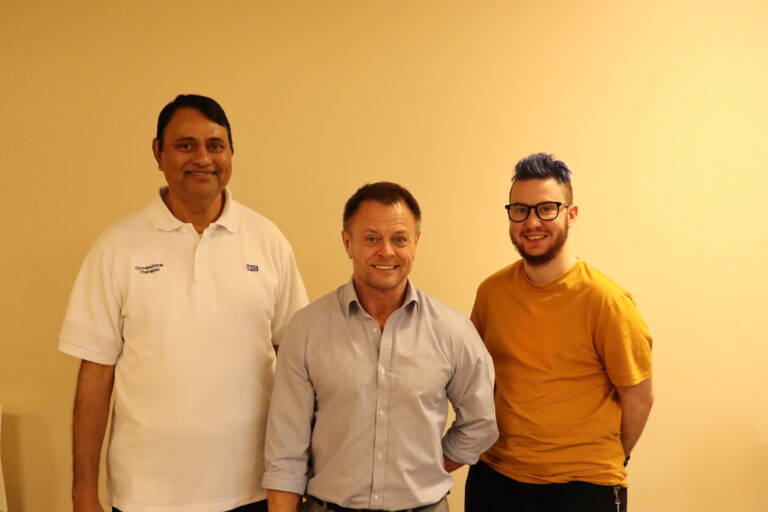
The networks are always open to new members and you don’t have to be a member of that particular characteristic to join – allies are always welcome too. The groups are open to everyone, clinical or non-clinical, including volunteers and NTH Solutions staff. Kris commented: “We would love to see new people join the networks and also get involved in the themed events that run throughout the year, all of which help to support creating a more inclusive culture.
The networks are always open to new members and you don’t have to be a member of that particular characteristic to join – allies are always welcome too. The groups are open to everyone, clinical or non-clinical, including volunteers and NTH Solutions staff. Kris commented: “We would love to see new people join the networks and also get involved in the themed events that run throughout the year, all of which help to support creating a more inclusive culture.
Any member of staff is welcome to come along, meet the network leads, find out more about the networks, the support available and the impact the groups have.
Nurse achieves dream of supporting people with learning disabilities
Adelle McCullagh always wanted to be a nurse. But as life rolled on and with bills to pay, she found it harder and harder to consider applying to university.
So, when a new opportunity came up in enhanced care, where she worked as an enhanced care worker, her colleague Jodie Savage encouraged her to apply.
Three years later and supported by her team throughout, Adelle is now fully qualified and settling into her new role as learning disability nursing associate.
Improving dementia care skills
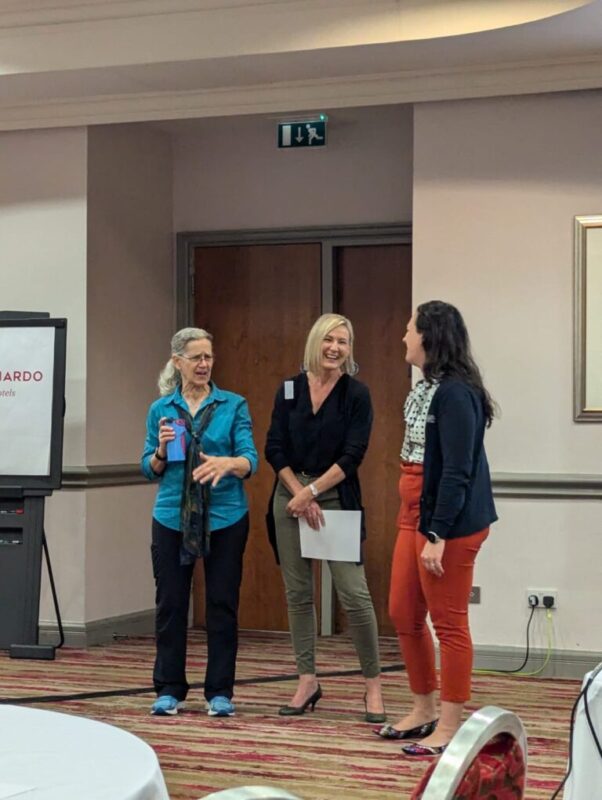
On Friday 12 July, South Tees hosted the ‘Welcome to Improving Dementia Care Skills’ event.
Organised by the education and events team, Teepa shared valuable knowledge and practical ideas for staff across University Hospitals Tees and Tees, Esk and Wear Valleys NHS Foundation Trust.
Staff who attended the informative session highlighted it as ‘amazing’ and ‘unique’ with fantastic learning opportunities made available throughout the day.
Launch of new People Hub
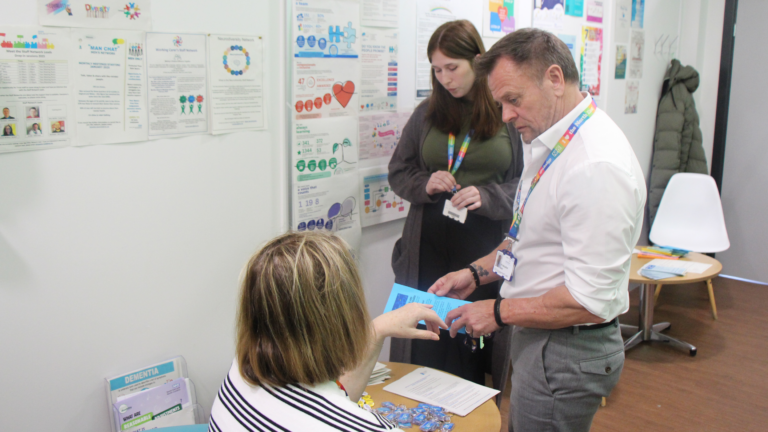
We saw the launch of our brand new people hub, based at the University Hospital of North Tees.
The hub brings together all of our staff services to create a one-stop shop for staff, students and volunteers to gain practical guidance and help around wellbeing services and career development.
Making the workplace a fairer and more open place for all
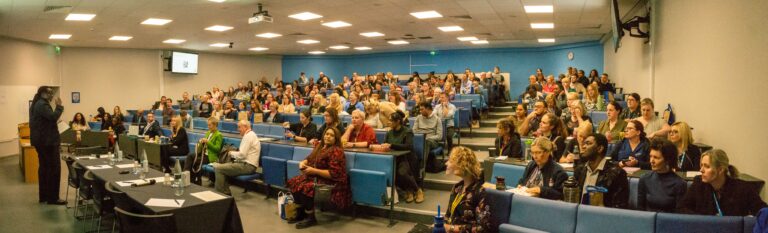
University Hospitals Tees’ first equality, diversity, inclusion and wellbeing conference saw staff from both North Tees and Hartlepool NHS Foundation Trust and South Tees Hospitals NHS Foundation Trust come together to learn and make real changes to how each trust has traditionally carried out their duties.
The conference, which took place at the STRIVE Academic Centre at The James Cook University Hospital, covered subjects including:
- Drawing on expert thinking and established practice to create an opportunity
to reflect and learn about equality, diversity and inclusion in the workforce. - Hearing from marginalised voices to share their lived experiences and the impact
of their personal journey - Challenging and the traditional way of working that may limit the potential
of colleagues to develop and grow - Sharing ideas and insights
- Inspiring colleagues to consider and generate inclusive opportunities for all
Neurodiversity network celebrations
Neurodiversity Celebration took place during March 2025, and was a time to understand, value and celebrate the talents of neurodiverse minds.
The network which now has over 80 members from across University Hospitals Tees held a special event in the atrium at James Cook to celebrate their first birthday.
Colleagues were invited to learn more about neurodiversity and how to support themselves and others, whilst picking up sweet treats, word searches and a token of gratitude.
Caring for parents with a learning disability in our maternity services
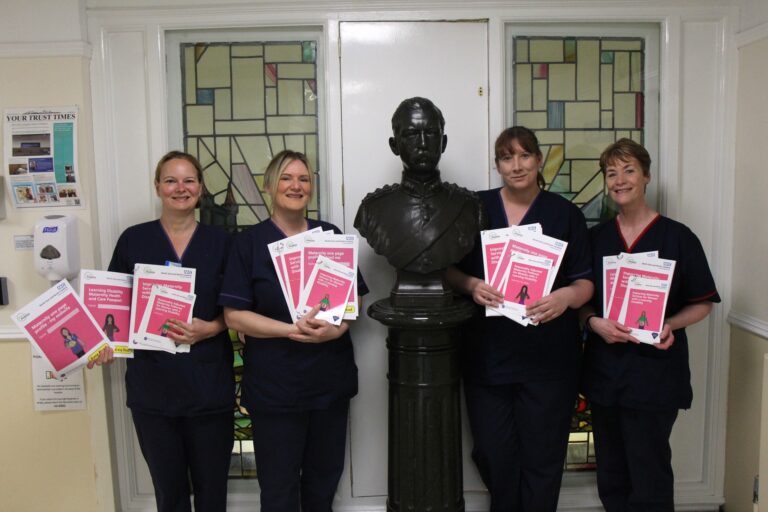
Our complex needs midwives are working very closely with our vulnerability unit to embed the Learning Disability Maternity Diamond Standards across our organisation.
This new standard of care has been developed across the region to support maternity services to deliver high quality, reasonably adjusted maternity care to women with a learning disability. The standards support our staff in identifying parents with a learning disability when accessing maternity care and ensuring that reasonable adjustments and appropriate communication are taking place for a positive birth experience.
South Asian Heritage Month
To mark South Asian Heritage month, Shweta Joel, who is from India and
currently works as assistant psychologist
for South Tees is reflecting on how her South Asian heritage has and continues
to shape how she provides care to our patients.
Reflecting on this year’s theme ‘Free to be me’, Shweta said: “As I reflect on my past journey, I feel like in the wake of making choices which are not normal for my identity, I am proud to have broken so many stereotypes in so many ways and this sets me free and gives me the power to be me.”
Helping unpaid carers from Hartlepool
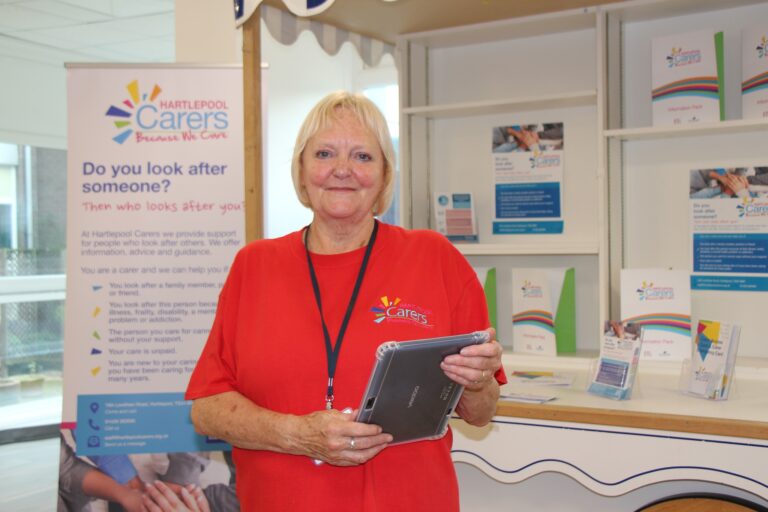
Since working across our hospital sites for more than a year now, Hartlepool Carers
have registered many of our staff, patients and their loved ones as carers.
This #CarersWeek the team would like to thank the trust for working with them to do this – and we would also like to thank them for giving us the same opportunity.
If an unpaid carer from Hartlepool is identified they can fill out a card by main reception areas at both Hartlepool and North Tees hospitals (most ward areas also have the cards) or they can also speak to the team on Wednesdays or Thursdays when they are on site.
Kicking off LGBTQ+ Pride
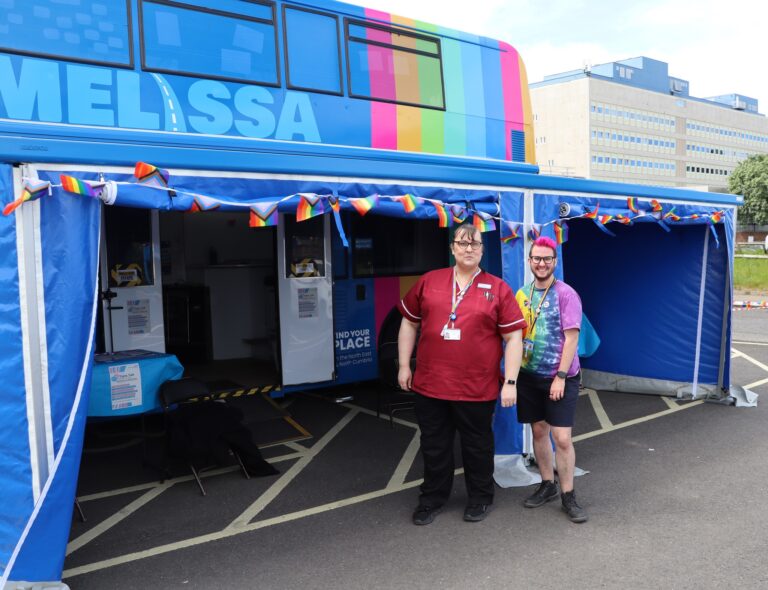
To celebrate Pride Month, we ran a number
of events across the organisation.
This kicked off early with the visit from the Melissa Bus to UHNT – where colleagues could pop along and take on the Pride Cards challenge, learn about the importance of being an LGBTQ+ ally and could pick up a rainbow badge and other freebies.
Staff also had the opportunity to learn more about the issues which impact Tran’s members of the community at a series of Trans Talks, led by two of our transgender colleagues.
The bus also visited all of the hospital group sites over the course of the month.
United Cultures
South Tees education and practice development team held a celebration event for staff recruited via our Internationally Educated Nurse programme, which the trust has been supporting since 2018. The staff and their families attended the event to highlight and celebrate the rich and diverse culture within South Tees.
The afternoon included inspiring staff
stories from their arrival in the country, their professional and personal journey regarding education and progression. There were also cultural songs and dance performed by staff that were the highlights of the day. Here are a few snapshots from the special event.
Dyslexia Awareness Week
In honour of dyslexia awareness week, STRIVE hosted an event.
Based in the atrium at James Cook Hospital, the team celebrated staff with dyslexia and neurodiversity, sharing sources of support
and raising much needed awareness. The day highlighted the strengths and talents of our workforce at South Tees.
National Day for Staff Networks
Our staff networks came together as part of National Day for Staff Networks to discuss the incredible value networks and groups make in the workplace.
The event provided an opportunity for reflection and forward-thinking on how our Networks can continue to add value to the group’s inclusion agenda as well as celebrating their contributions.
Women’s Day ‘Wonder Women’ event
All our wonder women were invited to a special ceremony held by our women’s staff network to show our appreciation and gratitude.
Congratulations to each and every one of our wonder women across North Tees and Hartlepool and South Tees Hospitals. The Group recognise the inspiring women that we’re proud to call colleagues at University Hospitals Tees.
We asked staff to put forward their ‘wonder woman’ – a remarkable colleague who has made a significant impact in our organisation and who represents dedication and heart. We were over the moon to receive more than 70 nominations from colleagues across our trusts.

Going down memory lane with Mylene and Jomer
International nurses from the Philippines took a trip down memory lane as they reflect on their journeys, after arriving in the UK during the height of the pandemic to now supporting newly recruited overseas nurses in their roles.
Mylene Amoroso and Jomer Beron, both from Philippines, are two of UHT overseas nurses who have travelled over 6,700 miles to make Teesside their new home.
Ramadan
On the evening of 28 February we celebrated the holy month of Ramadan with colleagues.
During the holy month of Ramadan, which occurs on the ninth month of the lunar-based Islamic calendar, all Muslims are requested to abstain from food, drink, smoking and sexual activity between dawn and to dusk for 30 days.
Fasting seeks to develop in one a sustained consciousness of God (Taqwa). By freeing one from preoccupation with physiological needs the heart and mind have greater freedom to reflect and meditate upon deeper spiritual matters, such as a person’s relationship with the creator of creation.
This year the Ethnic Minority and Multi-faith staff networks were on hand to offer additional support that staff or managers had through a decided session, including a guide to Ramadan to aid colleagues throughout the celebrations.
13. Looking ahead to 2025/26
UHT has continued to promote and develop EDI practices within the organisation both in line with legislative requirements as well as through the hard work and dedication of staff.
We have many plans for the year ahead and our main focus will be to implement an overarching Equality, Diversity and Inclusion Strategy, setting combined clear prioritise with correlation to the high impact actions and our group people plan.
Based on business intelligence, some of our key objectives for 2025/26 will focus on:
- Review of outcomes from the staff survey findings with particular emphasis on bullying and harassment and our zero tolerance approach.
- Supporting the growth and development of our staff networks including alignment of executive sponsors.
- Findings and actions arising from the WRES/WDES, Equality Delivery System and Gender Pay Gap.
- On boarding relating to international nurse recruitment.
The ongoing work will help shape our culture of inclusion, these practices will help support and embed, meaning a sustainable change, for our staff, patients and their families. We will continue to listen and respect difference to ensure our vision of “providing excellent care for the communities that we serve”. We are on a journey and we will continue to use our engagement platforms to ensure all our staff have a voice and are very much part of our continuing work into inclusion and zero tolerance against discrimination.
14. Contacts for further information
If you would like any further information about Equality, Diversity and Inclusion
within University Hospitals Tees, please contact our cultural development team:
Sharon Ollivier
- People Experience Manager, University Hospitals Tees
- Call: 01642 850850
Michelle Taylor
- Head of Cultural Development, University Hospitals Tees
- Call: 01642 624025
Feedback
We welcome feedback on our annual reports from all stakeholders so that we can
continue to meet our commitment to improve service delivery.
We would welcome any feedback and comments on this document which should be directed to the cultural development team by emailing [email protected]
15. Workforce equality data
North Tees and Hartlepool
As of 31 March 2025, there are 5,284 members of staff employed by the North Tees and Hartlepool NHS Foundation Trust. This section outlines the profile of the workforce of the Trust in relation to each protected characteristic, for the period 1 April 2024 to 31 March 2025.
Of the total staff employed by the Trust, 2,722 employees (52%) work on a full time basis
and 2,562 employees (48%) work part time.
Section 1 – Gender
- Total: 5,284 (March 2024)
- Female: 85%
- Male: 15%
Section 1 – Ethnicity group
- White: 83%
- Global majority: 16%
- Not stated: 1%
The Trust employs 4,391 White employees and 847 Global Majority employees. A further 46 employees have chosen not to declare their ethnicity.
Ethnicity breakdown:
| England’s working population | NHS Workforce | Trust’s Workforce | |
|---|---|---|---|
| White | 86% | 76% | 83% |
| Black or Black British | 3% | 6% | 3% |
| Asian or Asian British | 7% | 9% | 9% |
| Mixed | 1% | 2% | 1% |
| Chinese | 1% | 1% | 1% |
| Any other ethnic group | 1% | 2% | 2% |
| Not stated/unknown | 0% | 5% | 1% |
Section 3 – Age
Of the 5,284 individuals employed by the Trust, the majority of staff are aged 35 to 44 closely followed by age 45-54.
Age breakdown:
| England’s working population | NHS Workforce | Trust’s Workforce | |
|---|---|---|---|
| Under 25 | 12% | 6% | 5% |
| 25 to 34 | 23% | 23% | 21% |
| 35 to 44 | 22% | 24% | 25% |
| 45 to 54 | 21% | 28% | 23% |
| 55 to 64 | 18% | 18% | 21% |
| 65 and over | 4% | 2% | 4% |
Section 4 – Marital status
The marital status of our workforce profile indicates that 54% of our employees are married, with a further 2% who have indicated that they are in a civil partnership. 33% of our employees are recorded as single.
- Married: 54%
- Single: 33%
- Divorced/legally separated: 7%
- Civil partnership: 2%
- Widowed: 1%
- Unknown: 3%
Section 5 – Disability
Our data indicates that the majority of our employees (80%) have declared that they do not have a disability, as compared to 6%of employees who have declared that they do have a disability.
The information we hold relating to staff and disability continues to improve and there has been a reduction in the number of staff who have not declared their disability status from 18% in 2023/24 to 14% in 2024/25.
- No: 80%
- Yes: 14%
- Not stated: 6%
Section 6 – Sexual orientation
85% of our employees have declared their sexual orientation, whereas 14% have chosen not to declare their status.
Of those employees who have chosen to declare their status, 82% of our employees have declared their sexuality as heterosexual, with a further 3%employees who have declared their status as gay, lesbian or bisexual.
- Heterosexual or straight: 85%
- Gay or lesbian: 2%
- Bisexual: 1%
- Undecided or other sexual orientation not listed: 1%
- Not stated: 14%
Section 7 – Religion and Belief
43% of our employees have recorded their religion as Christian, whereas 19% of staff have chosen not to declare their religion and 15% of staff have declared that they are Atheist.
| Religion or belief | Number of employees |
|---|---|
| Christianity | 2,285 |
| Not declared | 1,015 |
| Atheist | 800 |
| Other | 528 |
| Islam | 138 |
| Hinduism | 108 |
| Buddhism | 18 |
| Jainism | 2 |
| Sikhism | 5 |
| Judaism | 1 |
Section 8 – Pregnancy and Maternity
5.5% of our staff (291 employees) have taken maternity/adoption/paternity or Shared Parental/Adoption leave in the last year.
Section 9 – Gender Reassignment
At present we are not able to report on this equality strand as these details are not captured on the standard documents/application forms that are used to gather personal details.
However, any member of staff currently undergoing gender reassignment is supported throughout their transition by their manager and workforce services, in relation to employment matters and workplace considerations.
South Tees
As of 31 March 2025, there are 10,644 members of staff employed by the South Tees Hospitals NHS Foundation Trust. This section outlines the profile of the workforce of the Trust in relation to each protected characteristic, for the period 1 April 2024 to 31 March 2025.
Of the total staff employed by the Trust, 5,894 employees (55%) work on a full time basis and 4,750 employees (45%) work part time.
Section 1 – Gender
- Total: 10,664 (March 2024)
- Female: 82%
- Male: 18%
Section 1 – Ethnicity group
- White: 84%
- Global majority: 14%
- Not stated: 2%
The Trust employs 8,984 White employees and 1487 Global Majority employees. A further 173 employees have chosen not to declare their ethnicity.
Ethnicity breakdown:
| England’s working population | NHS Workforce | Trust’s Workforce | |
|---|---|---|---|
| White | 86% | 76% | 84% |
| BME | 14% | 19% | 14% |
| Not stated/unknown | 0% | 5% | 2% |
Section 3 – Age
Of the 10,644 individuals employed by the Trust, the majority of staff are aged 35 to 44 closely followed by age 25-34.
Age breakdown:
| England’s working population | NHS Workforce | Trust’s Workforce | |
|---|---|---|---|
| Under 25 | 12% | 6% | 7% |
| 25 to 34 | 23% | 23% | 25% |
| 35 to 44 | 22% | 24% | 26% |
| 45 to 54 | 21% | 28% | 23% |
| 55 to 64 | 18% | 18% | 17% |
| 65 and over | 4% | 2% | 2% |
Section 4 – Marital status
The marital status of our workforce profile indicates that 51% of our employees are married, with a further 2% who have indicated that they are in a civil partnership. 37% of our employees are recorded as single.
- Married: 51%
- Single: 37%
- Divorced/legally separated: 7%
- Civil partnership: 2%
- Widowed: 1%
- Unknown: 2%
Section 5 – Disability
Our data indicates that the majority of our employees (81%) have declared that they do not have a disability, as compared to 6% of employees who have declared that they do have a disability.
The information we hold relating to staff and disability continues to improve and there has been a reduction in the number of staff who have not declared their disability status from 16% in 2023/24 to 13% in 2024/25.
- No: 81%
- Yes: 13%
- Not stated: 6%
Section 6 – Sexual orientation
83% of our employees have declared their sexual orientation, whereas 14% have chosen not to declare their status.
Of those employees who have chosen to declare their status, 83% of our employees have declared their sexuality as heterosexual, with a further 2.5% employees who have declared their status as gay, lesbian or bisexual.
- Heterosexual or straight: 83%
- Gay or lesbian: 2%
- Bisexual: 0.5%
- Undecided or other sexual orientation not listed: 0.5%
- Not stated: 14%
Section 7 – Religion and Belief
49% of our employees have recorded their religion as Christian, whereas 19% of staff have chosen not to declare their religion and 18% of staff have declared that they are Atheist.
| Religion or belief | Number of employees |
|---|---|
| Christianity | 5,183 |
| Not declared | 1,989 |
| Atheist | 1,884 |
| Other | 929 |
| Islam | 394 |
| Hinduism | 187 |
| Buddhism | 42 |
| Jainism | 1 |
| Sikhism | 18 |
| Judaism | 4 |
Section 8 – Pregnancy and Maternity
5.3% of our staff (566 employees) have taken maternity/adoption/paternity or Shared Parental/Adoption leave in the last year.
Section 9 – Gender Reassignment
At present we are not able to report on this equality strand as these details are not captured on the standard documents/application forms that are used to gather personal details.
However, any member of staff currently undergoing gender reassignment is supported throughout their transition by their manager and workforce services, in relation to employment matters and workplace considerations.
PDF document
Click the link below to view or download our equality and diversity report:
If you use assistive technology such as a screen reader and need a version of this document in a more accessible format, please email us at [email protected]