

Research teams have taken the first step towards improving heart health for chemotherapy patients.
Led by the Academic Cardiovascular Unit (ACU) at The James Cook University Hospital, experts across the country are joining forces to look at the long term effects of a particular type of chemotherapy on the heart.
As part of the initial study, 200 patients are being recruited across several UK hospitals to help create a model registry of patients receiving anthracycline chemotherapy linked to blood samples – believed to be the first of its kind in the UK.
Anthracycline chemotherapy is used across a range of cancers including breast, lymphoma and sarcoma. Around 1,000 adult patients receive this type of chemotherapy across Durham and Tees Valley every year.
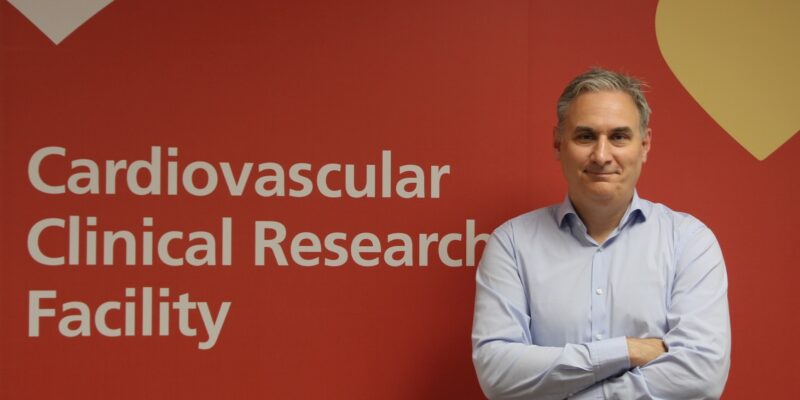
David Austin, consultant cardiologist and co-director of the ACU, said: “More patients are surviving cancer therefore the late effects of cancer treatment are now becoming more important.
“A small proportion of patients can have significant heart-related side effects many years later such as an increased risk of heart failure and we need more information to help us evaluate this.”
Funded by the British Heart Foundation, the BHF COLLATE study involves taking blood samples before and after chemotherapy treatment, plus repeat bloods a year later. Patients will also be invited to have additional heart scans to establish the effects on the heart.
Experts hope this will help uncover genetic factors or biological indicators that could lead to the development of new treatments and a better understanding of the impact on heart health.
David, who was recently promoted to Honorary Professor at Newcastle University, added: “We’re very excited to be leading this study. Survivorship issues in cancer are increasingly important and we hope this will be an important step towards improving heart health for patients undergoing chemotherapy.
“Cardiovascular teams do a lot of research and oncology teams do a lot of research, the challenge now is to work together.
"If we can create an upscaled national network this will help us identify who is most at risk and how best to tailor individual treatments.”