
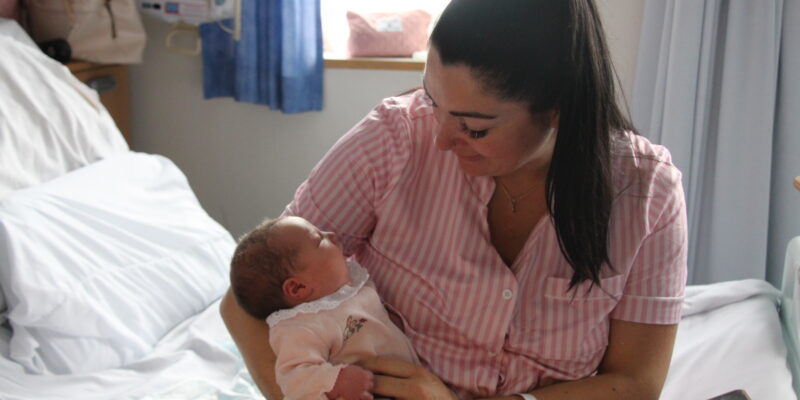
More than 1,000 babies born at The James Cook University Hospital have taken part in a groundbreaking research study testing newborns for rare genetic conditions.
By testing for more than 200 rare genetic conditions, the Generation Study could help babies access life-changing treatment sooner.
A participating baby’s genome is sequenced shortly after birth using a small blood sample, usually taken from the umbilical cord, with parental consent.
This tests for a range of childhood-onset genetic conditions where early diagnosis and treatment can make a significant difference.
Success across University Hospitals Tees
It is not just at James Cook where the study has proved popular. Teams across the University Hospitals Tees have seen interest from families, with a high uptake at University Hospital of North Tees too.
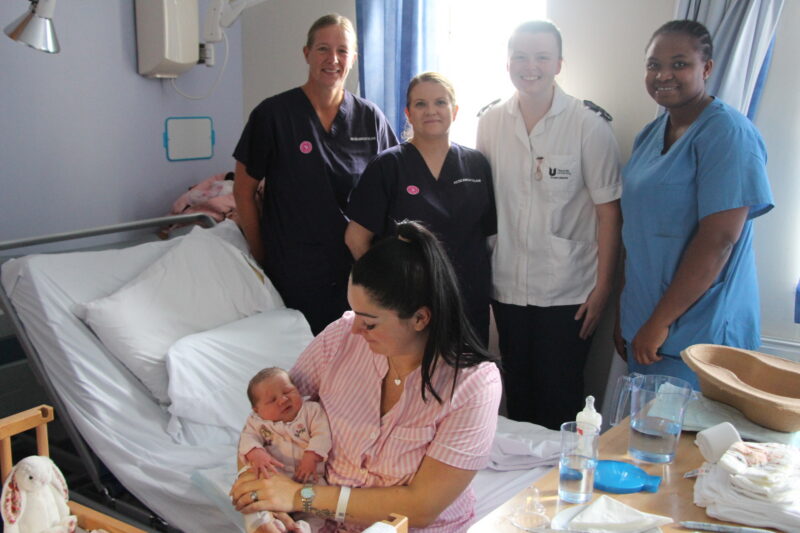
Among the families taking part was Zana Sellars from Middlesbrough who recently enrolled her baby, Remi, in the Generation Study shortly after she was born.
As part of the study, Remi’s genome is being analysed for several conditions, including cystic fibrosis, Barth syndrome and severe combined immunodeficiency.
If a condition is suspected, the results are returned to the parents by a specialist before further diagnostic tests are offered.
Making a difference for future generations
When asked why she took part, Zana’s answer was simple: “It’s important for future generations.”
She added: “Although it might not identify something for your own family, it has the potential to help someone you know.”
Tracy Ruddick, obstetrics and gynaecology research nurse, said: “Reaching such a significant recruitment milestone at James Cook is an incredible achievement and a testament to the dedication, teamwork and commitment of everyone involved.
The Generation Study is incredibly important as it aims to build a better understanding of how genetics influence children's health and development. It can help to identify conditions sooner, potentially allowing children to receive support or treatment earlier."
Thank you to parents and staff
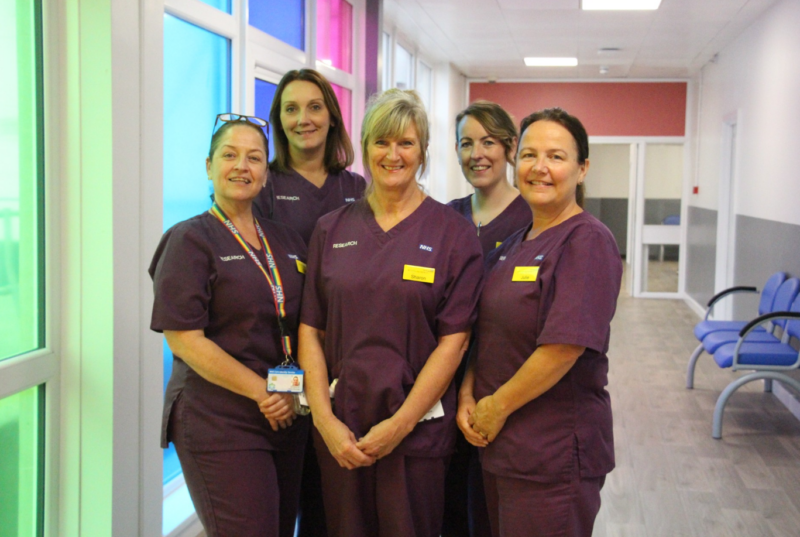
Sharon Gowans, research midwife at University Hospital of North Tees, added: “I want to thank all our midwives and maternity teams for their continued support and commitment to delivering this important study.
“I’d also like to say a huge thank you to all the parents who have chosen to take part so far.”
Transforming healthcare
Professor Rich Scott, chief executive officer, Genomics England, said: “We believe genomics can transform healthcare in this country and be used to get ahead of serious illness.
“It’s been incredibly moving to see the lifechanging impact the Generation Study is having for families. Every year thousands of babies are born in the UK with rare genetic conditions, but they can be hard to diagnose.
“On average, it takes around five years for a rare condition to be diagnosed, at which point it has often progressed to the point where treatment, if it exists, is far less effective.”