

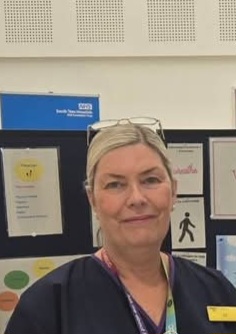
Jill McGee
Health and wellbeing lead (group)
- Email: [email protected]
- Tel: 01642 282 482
- Alternative email: [email protected]
Tell us a bit about yourself and your background?
My name is Jill, I have been a nurse in the NHS for the last 34 years. I have worked in a variety of nursing roles over the years and for the last 10 years my focus has been on supporting the staff health and wellbeing agenda working in occupational health.
I am passionate about looking after our workforce, a happy healthy workforce is a productive workforce. Outside of work I love spending time with my friends and family. I enjoy gardening and being outdoors and listening to music. I’m also bit of a crazy cat lady. I have three cats and a rabbit however I love all creatures great and small.
What does your role involve?
As part of my role, I am here to support the delivery of the staff wellbeing agenda as it is a key part of our people plan. This involves ensuring all staff are aware of the wellbeing offer, examples include including menopause, and health and wellbeing conversations training amongst many other things.
Why is health and wellbeing so important in the workplace?
Having a healthy workforce helps to foster a positive working environment. This can help to reduce workplace stress levels, improve employee engagement, satisfaction and productivity and as a result reduce sickness and retain staff.
Looking after our staff to stay well and happy at work, ensures our patients receive the best possible care which is what we all strive for working in the NHS.
What are your top health and wellbeing tips for people generally?
Be kind to yourself, make sure you have some ME time every day for example have a cup of tea in the garden and listen to the bird song
Every day check in with yourself using the How am I? tool
Stay hydrated, drink plenty of water as being hydrated helps with concentration and reduces fatigue amongst other health benefits
Take your breaks away from your work area where possible and go for a walk
Try and focus on what went well today, then switch off. Avoid screen usage at least an hour before bed, have a regular bedtime routine and relax
If you need help reach out and ask for support – “it’s ok not to be ok”
Self-care is not selfish, it is essential . Lastly always remember “you can’t pour from an empty cup ” that is why looking after yourself is so important
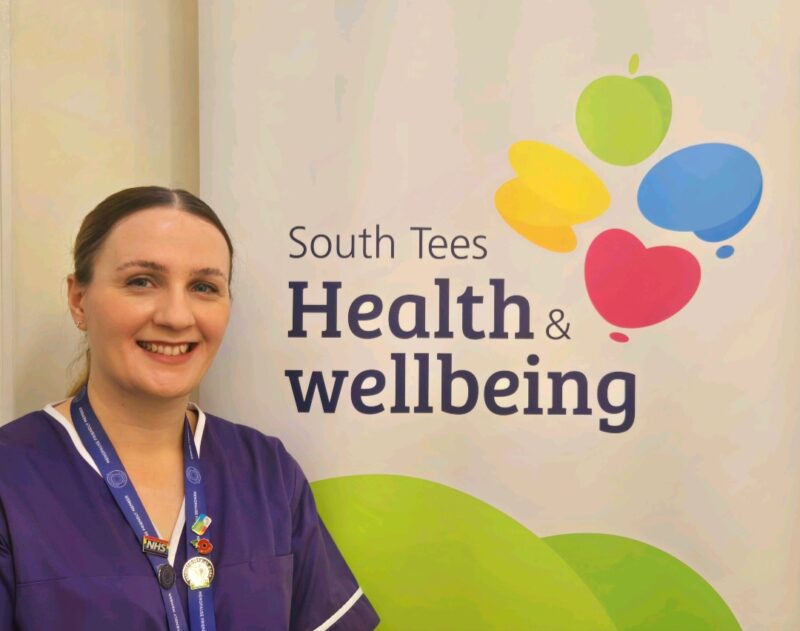
Laura Robson
Health and wellbeing advisor (based at James Cook site)
- Email: [email protected]
- Tel: 01642 282482
- Alternative email: [email protected]
Tell us a bit about yourself and your background?
My name is Laura, I have worked in occupational health for 14 years. I am currently working towards my registration as a public health practitioner and I actively champion the importance of prevention by helping others understand how proactive health behaviours can reduce the risk of ill health.
I enjoy being directly involved in supporting our trust staff and ensuring staff have access to resources that maintain and enhance their own wellness. I am passionate about wellbeing and reminding staff of the importance of looking after themselves. When I am not at work, I enjoy running, cooking and spending time with family and friends.
What does your role involve?
As part of my role, I help to co–ordinate the health and wellbeing agenda. My current role involves promoting health and wellbeing initiatives throughout the trust and organising wellbeing campaigns for the trust.
My role involves empowering individuals to make informed decisions about their health and know what is available for them in the trust to support their health and well being.
Why is health and wellbeing so important in the workplace?
Health and wellbeing is very important because if we do not look after ourselves, we cannot give our patients the excellent, quality care they deserve. Healthy employees are often more creative and innovative.
A positive work environment that promotes wellbeing can inspire employees to think outside the box and contribute new ideas. By promoting health and wellbeing in an organisation, we are creating a positive working environment as staff tend to be happier and more productive.
What are your top health and wellbeing tips for people generally?
Find a hobby that you love and that helps you relax
Drink plenty of water
Eat a well-balanced diet
Check in with yourself using the ‘How am I’ tool
Get a good night’s rest
Be kind to yourself
Take your breaks away from the workplace, if possible
At the end of the day think about what you achieved, not what you feel didn’t go as planned
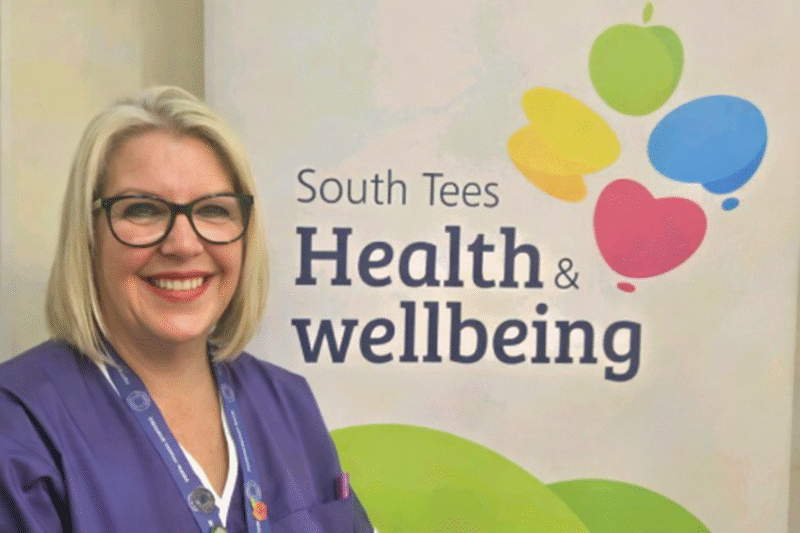
Julia Frost
Health and wellbeing advisor (based at James Cook site)
- Email: [email protected]
- Tel: 01642282482
- Alternative email: [email protected]
Tell us a bit about yourself and your background?
My name is Julia, I stared my career in south tees within the learning and development team where I became involved in menopause awareness training and support. I love working with our staff; I am passionate about staff being the best they can be whether that is with regards to their learning or their wellbeing.
As a lead menopause champion, I regularly deliver training in this subject with staff and managers and carry out one to one support session with those who need them. Being a champion encouraged me to look more closely at health and wellbeing, and what we do to promote and support our staff across the trust. This has now led me to my role within occupational health as a health and wellbeing senior advisor.
I love working with people and being out and about. I am a trained coach, listening ear and wellbeing advisor and I enjoy supporting staff to be able to look after themselves and get the support they need to be able to do the job they love. When I am not at work, I enjoy crafting, reading, walking and spending time with friends and family
What does your role involve?
As part of my role, I help to co–ordinate the health and wellbeing agenda and annual calendar of events. My current role involves delivery of wellbeing training including menopause, menopause for managers, and health and wellbeing conversations part 1 (with more to come). I am involved in organising and promoting health and wellbeing initiatives throughout the trust and organising wellbeing campaigns as well as ward visits, coaching, one to one support and coordinating the menopause champions and the pink box initiative.
Why is health and wellbeing so important in the workplace?
Having a healthy workforce can help create a positive working environment. It can minimise stress levels, improve employee satisfaction and engagement, reduce sickness and retain staff.
It can also encourage people to work more effectively together and ultimately it helps staff thrive at work. It also means that if we look after our staff and our staff are well, they can look after our patients better.
What are your top health and wellbeing tips for people generally?
Be kind to yourself, make sure you have some ‘me’ time
Stop comparing yourself to others
Drink plenty of water
Get good sleep and rest
Eat well
Socialise with friends and family
Take up a hobby whether it be a sport, something creative or just going for a regular walk
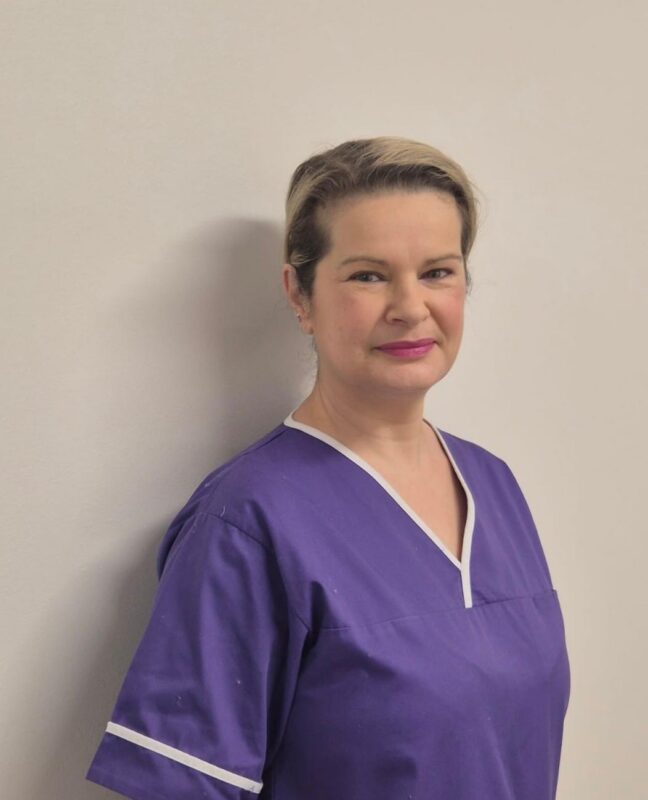
Helen Waller
Health and wellbeing advisor (based at North Tees site)
- Email: [email protected]
- Tel: 01642 624144
- Alternative email: [email protected]
Tell us a bit about yourself and your background?
My name is Helen, I’ve worked for the NHS for 22 years, the last 12 years at North Tees and Hartlepool. I’ve always had an interest in health and wellbeing in the different roles I’ve had and I love being part of the team which helps our staff to be their best selves. Outside of work, I enjoy walking, going to the gym and Pilates and socialising with friends.
What does your role involve?
The area of health and wellbeing is wide ranging so I get to work alongside so many great colleagues and teams to ensure the staff offering is both proactive and reactive to help support our people.
From one to one wellbeing conversations with members of staff to being in involved in managers training day to devising and coordinating organisation wide wellbeing initiatives, the role has plenty of interesting aspects to keep me busy.
As health and wellbeing doesn’t have an ‘one-size-fits-all’ approach, the team are constantly engaging with others to identify these particular needs to help support our people.
Why is health and wellbeing so important in the workplace?
Health and wellbeing is so interlinked with everything which happens at work! Happy and healthy staff has such a positive effect for individuals, colleagues, patients and as an organisation on the whole.
It makes sense on so many levels to invest in the health and wellbeing of our people as the outcome pays dividends in terms performance, employee engagement and motivation. And the best thing – it’s everybody’s responsibility.
What are your top health and wellbeing tips for people generally?
Everybody needs to start somewhere and a small improvement is better than no change at all
Good quality sleep is so important for your general health and wellbeing
Learn some relaxation techniques which you can utilise when things get too much
There’s no shame in asking for help
Concentrate on what you can do, not what you can’t
Eat well and stay hydrated
Make time for yourself
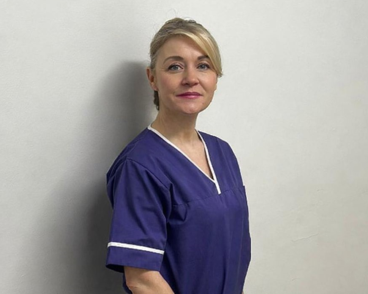
Rachel Hillerby
Health and wellbeing advisor (based at North Tees site)
- Email: [email protected]
- Tel: 01642 624144
- Alternative email: [email protected]
Tell us a bit about yourself and your background?
I’m Rachel, a qualified occupational therapist with nearly 20 years of clinical experience, including over a decade specialising in occupational health.
My practice is rooted in holistic, person-centred care, with a strong focus on functional living and emotional wellbeing. I’m passionate about supporting individuals to build resilience, restore clarity, and thrive, both personally and professionally.
Outside of work, I’ve explored a wide range of interests, including sailing, yoga, meditation, running, cooking, and ballroom and Latin dance. These days, as a parent to two young children, I find balance through family life and time outdoors with my boys and our dog, where parenting, play and self-care naturally come together.
What does your role involve?
As part of the wellbeing team, I contribute to the delivery of our organisation’s health and wellbeing strategy, aligned with the ambitions of the NHS People Plan and People Promise. My role involves designing and facilitating interventions that promote psychological well-being, emotional resilience and sustainable behavioural change.
Drawing on a broad therapeutic toolkit developed through years of mental health practice, I support colleagues in navigating challenges, preventing burnout and embedding long-term strategies for personal growth. The focus is not only on recovery, but on empowerment, prevention and proactive care.
Why is health and wellbeing so important in the workplace?
The NHS People Plan makes it clear: “We are all the NHS.” When our people are supported, healthy and valued, the quality of care we deliver improves. Wellbeing is not an optional extra, it’s a critical enabler of compassionate, high-quality care.
In a system where demands are high and pressures are real, prioritising staff wellbeing is essential. It ensures we can continue to show up for our patients, our teams, and ourselves. A healthy workforce is a resilient workforce and that resilience starts with everyday wellbeing.
What are your top health and wellbeing tips for people generally?
As Shakespeare wrote in Hamlet, “There is nothing either good or bad, but thinking makes it so.” This reminds us that our mindset shapes our experience and that self-awareness is a powerful tool for change.
Here are some practical, evidence-informed strategies I often share with colleagues:
Take regular moments to check in with yourself
Practice self-compassion, especially on difficult days
Reach out for support early; asking for help is a strength
Use planning tools to organise thoughts and reduce overwhelm
Surround yourself with positive, supportive people
Reflect on whether social media supports or drains your well-being
End each day by noting what went well and what you’re grateful for
Nourish your body with food and hydration that supports energy and focus
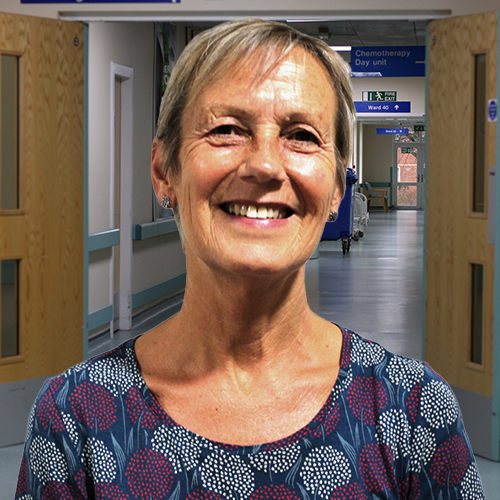
Ali Wilson
Non-executive director, vice chair and wellbeing board guardian – University Hospitals Tees
Tell us a bit about yourself and your background?
Hi everyone, my name is Ali and I am one of the University Hospitals Tees non-executive board members and the wellbeing board guardian. Starting my NHS career as a nurse in 1980, I have enjoyed over 40 years in the NHS and public sector in numerous clinical, managerial and educational roles. Prior to retirement from a full-time senior leadership role in 2018, I was the chief executive officer for the clinical commissioning groups in Darlington and Hartlepool and Stockton-on-Tees and was chair of the North East Leadership Academy.
In my spare time I like to run and walk, which is great for my physical and mental wellbeing.
What does your role involve?
As a group non-executive director I work with other board members, sharing responsibility for the decisions made by the board which focus on creating an environment which supports the success of the organisation in leading local improvement of healthcare services. A key part of that role is how we value and support our staff in providing the best care possible to our patients.
Specifically, as the board wellbeing guardian my role is to act as a ‘conscience’ to the trust ensuring that we prioritise the health and wellbeing of staff. In that role I undertake regular ward and service walkabouts with the well being team, to listen to staff challenges and hear about your successes, ensure you know how to access the wellbeing resources we have available and bring any key concerns to the attention of the board.
Why is health and wellbeing so important in the workplace?
If we look after the health and wellbeing of our staff, staff are happier in their work, are more likely to enjoy a good work life balance, are able to achieve their ambitions and tend to be well motivated to do the very best they can for patients and carers. As a major local employer, that also means we are supporting our communities to have longer healthier lives.
What are your top health and wellbeing tips for people generally?
Don’t put off until tomorrow what you honestly could do today
Practice doing simple acts of kindness towards others every day and don’t forget to be kind to yourself too
Create some time each day to get some fresh air and gentle exercise, even if that can only be a 10 minute walk, to or from work, or is combined with shopping, collecting kids or visiting a relative
Smile! You’ll be surprised just how many people smile back and if feels good!